Historically, CTMs operated mainly within indirect procurement, which involves sourcing travel suppliers, negotiating fare and enforcing policies. The focus was getting people from A to B efficiently and cost-effectively.
Today, distributed teams necessitate more frequent travels for off-sites, training, project kick-offs and planning cycles. CTMs must balance cost, well-being, sustainability and duty of care while guiding when face-to-face interactions make sense. CTMs must now ask different questions such as:
• Why are we traveling?
• What outcomes do we need from this meeting?
• Is there a better format or location?
This more strategic role requires looking beyond individual trips to understand how travel patterns support collaboration, culture-building and business performance.
Insights
The Changing Roles of a Corporate Travel Manager
2026.01.13
- # Insights
- # Event Solution
- # Trade Shows
- # Business Travel
- # Group Travel
- # North/South Americas
- # Europe
- # Asia
- # Hawaii
- # Korea
- # China
- # Oceania
- # Micronesia
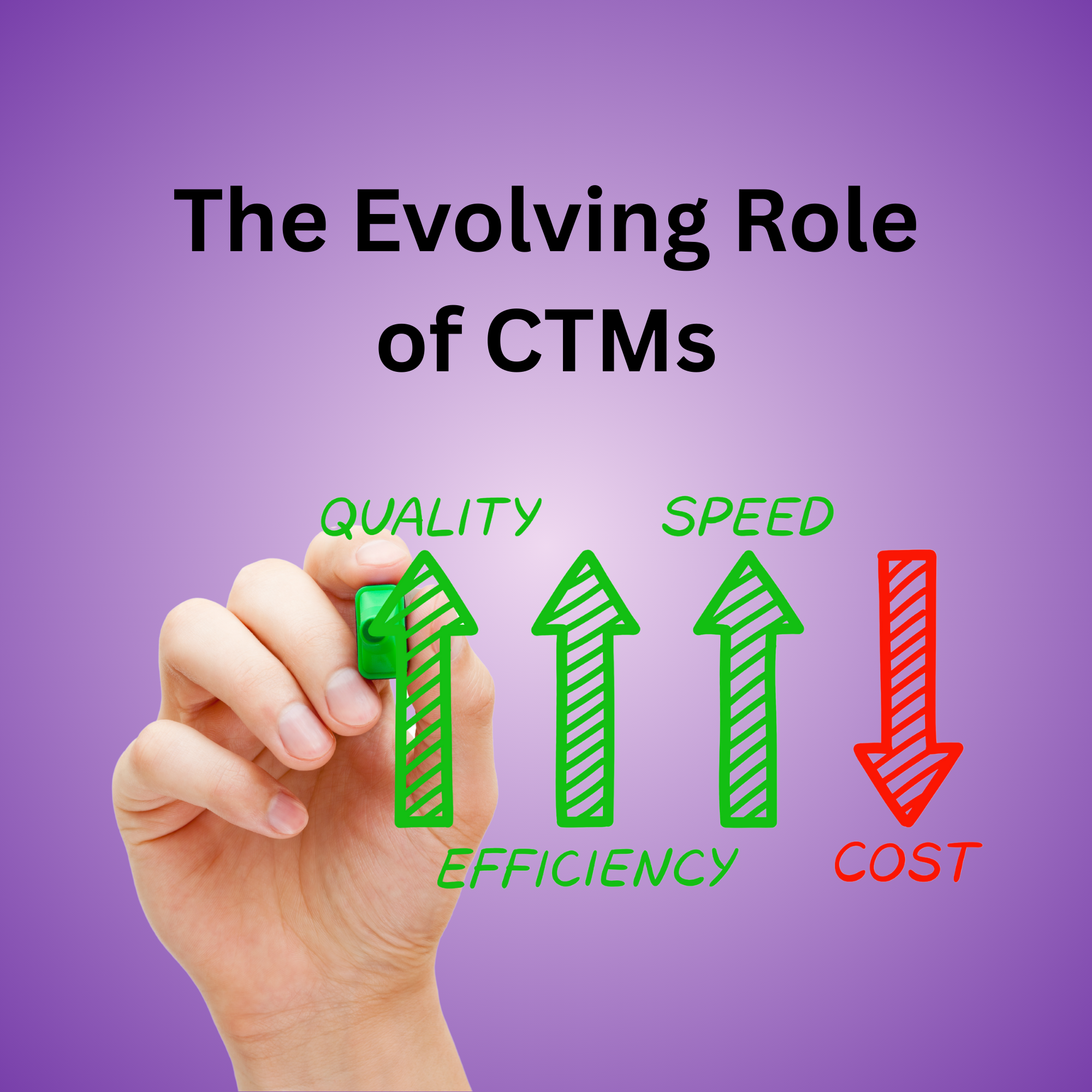
As meetings, events and travel become increasingly interconnected, Corporate Travel Managers (CTMs) are playing an even more prominent strategic role – shaping policy, influencing risk management, supporting sustainability objectives and optimizing organizational spend.
Business travel, meetings and events are no longer simple operational functions. Hybrid teams, distributed workforces and heightened expectations around safety, sustainability and cost control have transformed how organizations leverage travel. In this landscape, Corporate Travel Managers (CTMs) are expanding their already strategic remit – moving beyond program management and supplier relations to advising on how travel and meetings contribute to broader organizational goals. This evolution continues to redefine their responsibilities, decision-making authority and competencies required for success.
Embracing Growing Role
Recognizing Greater Responsibilities
Many organizations now bring meetings and small events under indirect procurement, combining them with travel into a unified category. This shift provides:
• Better visibility across travel, venue and event-related spend.
• Stronger compliance by reducing off-channel bookings (That is bookings outside the organization’s approved travel or meetings channels).
• More consistent risk and policy controls.
• Improved supplier synergies spanning airlines, hotels, venues and ground transport.
By managing these elements as one connected ecosystem, CTMs can standardize processes, reduce leakage and deliver greater value.
Decision-maker. Influencer. Enabler.
CTMs increasingly act as internal advisors, helping meeting owners, business units and leaders make informed decisions. Their role often spans:
• Policy ownership and governance.
• Data stewardship covering spend, risk, carbon and traveler behavior.
• Risk and duty of care oversight.
• Contract management for travel, venues and related services.
• Sustainability alignment with organizational goals.
This requires strong relationships with finance, human resource legal, sustainability, security and procurement, as well as a clear understanding of the organization’s culture and risk tolerance.
New Challenges & New Enabling Tools
CTMs face increasing pressure in key areas:
• Sustainability reporting: Tracking emissions from travel, venues and events.
• Duty of care: Showing the organization protects employees’ health, safety and well-being.
• Data fragmentation: Scattered booking and spend data across suppliers and systems.
Integrated travel-and-expense platforms and meetings management tools help address these gaps by consolidating data, automating workflows and flagging policy risks. This improves visibility and frees CTM time for analysis and strategic work.
Supporting the Full Meeting Lifecycle
As meetings fall more clearly under CTM scope, the role has expanded to include:
• Request and approval processes
• Venue and supplier sourcing
• Budgeting and contract management
• Risk assessment and duty-of-care checks
• Sustainability considerations
• Post-event reporting and reconciliation
Standardizing these steps reduces surprises, protects attendees, and lowers unnecessary spend.
CTMs also increasingly help meeting owners define meeting objectives, choose the right format (in-person, hybrid or virtual), and align with organizational sustainability targets. By acting as connectors across business units, CTMs ensure meetings advance strategic priorities.
Conclusion
The CTM has evolved into a strategic advisor who shapes travel and meeting decisions, oversees risk and sustainability, and ensures alignment with wider organizational goals. With new tools, better data and stronger cross-functional collaboration, CTMs are positioned to deliver programs that are safer, more efficient and more impactful for the business.
Insights
Learn More