Meetings activity moves quickly across organizations, often involving multiple business units, regions, and stakeholders operating under different priorities and timelines. Under operational pressure, employees frequently prioritize speed, responsiveness, or convenience over strict process adherence. Individually, these decisions may appear minor. Over time, however, repeated exceptions gradually weaken visibility, accountability, and organizational control.
Governance rarely fails through a single major breakdown. More often, it erodes incrementally as operational workarounds become normalized across the organization.
Insights
Policy Is Not Control: Why Meetings Governance Breaks Down in Practice
2026.07.01
- # Insights
- # Event Solution
- # Business Travel
- # North/South Americas
- # Europe
- # Asia
- # Hawaii
- # Korea
- # China
- # Oceania
- # Micronesia
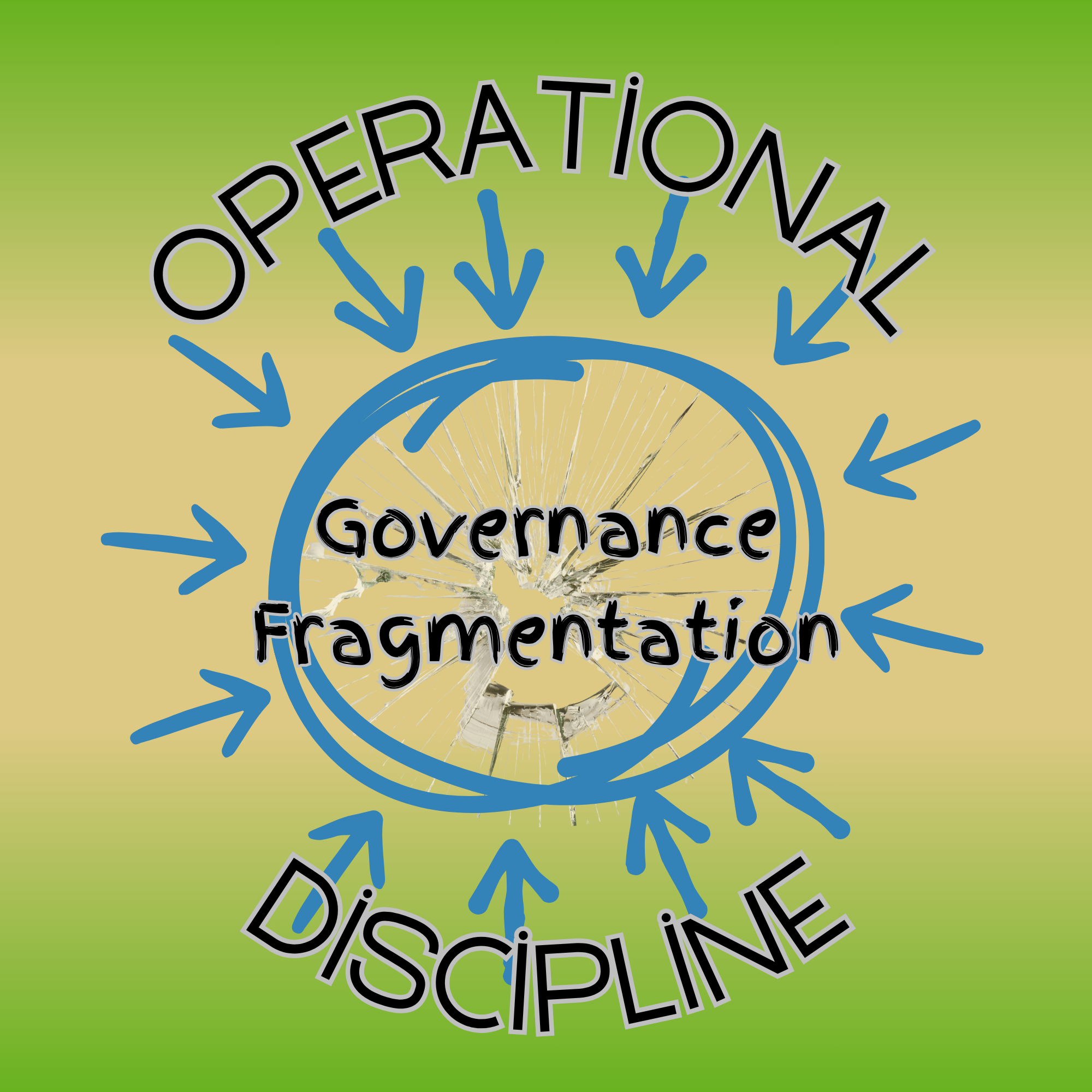
Governance failures rarely occur because organizations lack policies. In most large enterprises, meetings governance frameworks already exist. Approval processes, supplier guidelines, spending thresholds, and reporting requirements are typically well documented. On paper, governance structures often appear comprehensive and well controlled. The real challenge begins during execution.
Fragmented Ownership Weakens Control
One of the primary reasons meetings governance becomes difficult to sustain is organizational fragmentation. Responsibility for meetings activity is often distributed across multiple functions. Procurement may manage supplier policies, finance oversees spending controls, HR handles traveler considerations, while business units independently organize meetings according to operational needs. In many organizations, no single function maintains end-to-end accountability across the entire meetings lifecycle.
As processes diverge between teams and regions, governance consistency weakens. Meetings may be booked outside approved channels, supplier selections made without central visibility, or approvals handled differently between departments. In some cases, spending commitments are only identified after contracts have already been signed or costs incurred.
The issue is not necessarily the absence of governance frameworks, but the organization’s ability to operationalize them consistently at scale.
Visibility Is Often the First Casualty
This fragmentation also affects organizational visibility. One of the earliest signs of governance deterioration is the gradual loss of a complete and reliable view of meetings activity. When meetings are managed across disconnected systems, spreadsheets, emails, or local processes, organizations struggle to maintain accurate oversight of spending, supplier usage, attendee movement, and approval status.
The consequences are often gradual rather than immediate. Reporting becomes inconsistent, data gaps increase, and oversight shifts from proactive management to reactive investigation. By the time governance failures become visible, organizations may already face financial exposure, compliance concerns, or operational risks.
For example, regional teams may engage suppliers outside negotiated agreements to meet urgent timelines, or departments may organize events independently without visibility into broader enterprise spending commitments. While such decisions are often made for practical reasons, repeated exceptions reduce the organization’s ability to enforce consistent standards across the enterprise.
Organizational Behavior Shapes Compliance
Behavioral consistency also plays a significant role in governance effectiveness. Employees are far more likely to follow established processes when leadership applies them consistently across all levels of the organization. Conversely, when exceptions are routinely made for urgency, convenience, or senior stakeholders, governance standards gradually weaken.
Over time, these behaviors shape organizational culture. Employees quickly learn whether governance requirements are genuinely enforced or treated as flexible guidelines under operational pressure. Once workarounds become normalized, compliance becomes increasingly dependent on individual judgment rather than organizational discipline.
This challenge becomes even more pronounced as organizations grow more decentralized. In highly distributed operating environments, governance depends less on the existence of policies and more on the organization’s ability to maintain consistent operational behavior across teams, geographies, and reporting structures.
Control Requires Operational Discipline
Strong governance therefore requires more than documentation. Policies provide structure, but structure alone does not create control. Effective governance depends on embedding consistent processes, approvals, visibility, and accountability into day-to-day operations.
Organizations that maintain stronger control are typically those that integrate governance directly into operational workflows rather than relying solely on periodic oversight or policy enforcement. They focus not only on defining rules, but also on ensuring processes remain practical, visible, and consistently applied across the enterprise.
As meetings activity becomes increasingly decentralized and complex, governance effectiveness will depend less on the existence of frameworks and more on the organization’s ability to sustain operational discipline at scale. Ultimately, governance is not determined by the quality of policies written on paper, but by how consistently organizations execute them in practice.