Across the CTM’s day-to-day work, AI can play a role in multiple areas:
(These areas span CTM responsibilities covered in “Strategic Meetings Management: What Every Business Should Know”)
1. Sourcing & Supplier Management
In sourcing and procurement, AI can assist with benchmarking rates, scanning contracts for key clauses, and summarizing performance trends, giving CTMs faster, clearer input for negotiations and supplier reviews.
2. Operational Efficiency & Traveler Support
AI assistants can help with itinerary updates, sending disruption alerts, and personalized traveler support, especially during irregular operations. This reduces the manual workload on both CTMs and TMC teams’ travelers during irregular operations, while improving response times.
3. Sustainability Support
AI tools can automatically calculate emissions from flights, hotels and events, compare suppliers on sustainability criteria, and model how different choices (routes, cabin classes, venues) affect carbon footprints over time.
4. Policy Compliance & Risk Detection
AI-enabled booking tools can automatically flag out-of-policy bookings or risky routes as someone is booking. Instead of manually checking every itinerary, CTMs can then focus on the outliers that really matter.
5. Data Consolidation & Analytics
AI can pull travel and meetings data from different systems like booking tools, reports from Travel Management Companies (TMCs), expenses and venue contracts into a single view, revealing patterns in spend, carbon, behaviour and programme leakage.
Insights
AI: The Corporate Travel Manager’s Assistant
2026.01.13
- # Insights
- # Event Solution
- # Business Travel
- # North/South Americas
- # Europe
- # Asia
- # Hawaii
- # Korea
- # China
- # Oceania
- # Micronesia
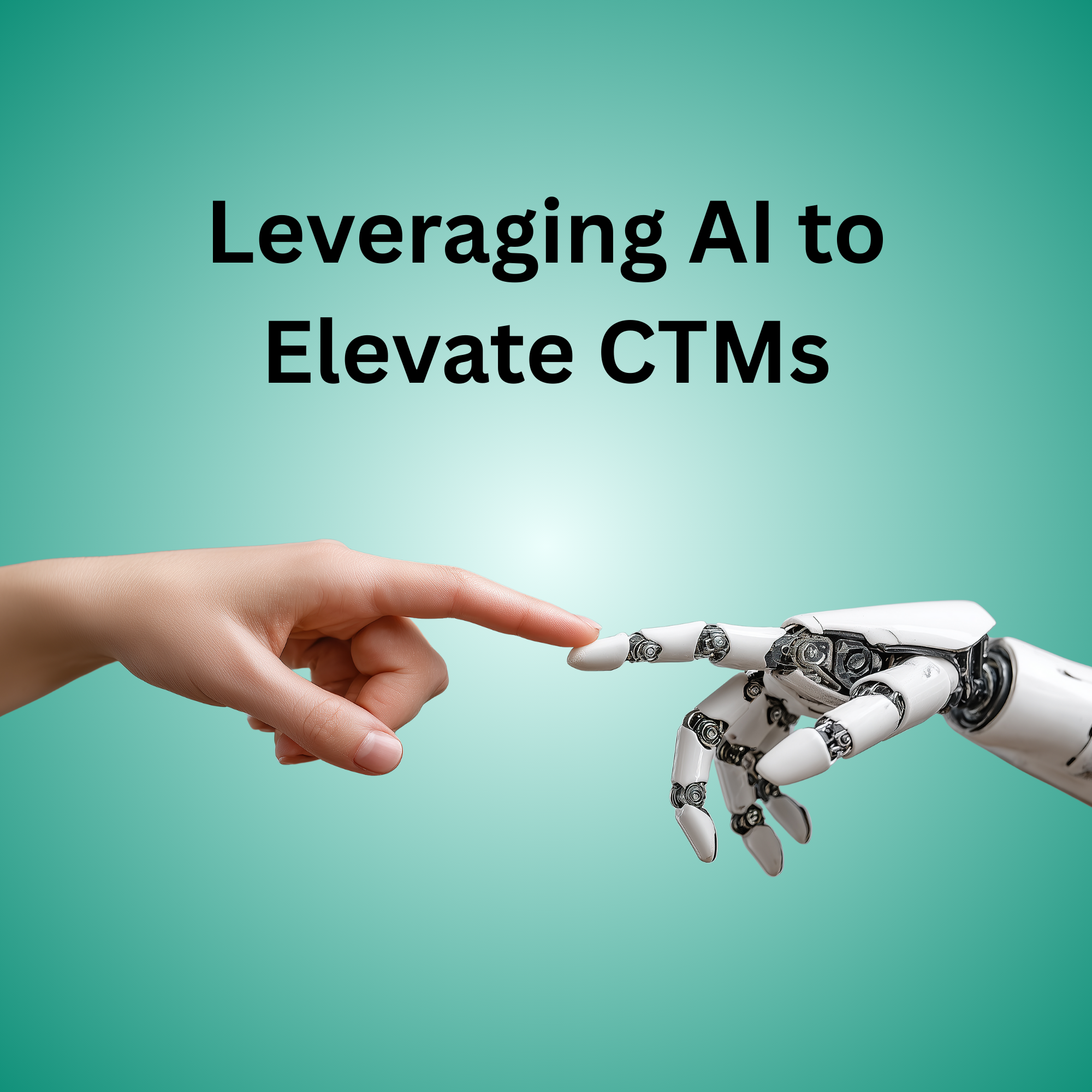
AI is often framed as a job threat, but the truth is far less dramatic. Rather than replacing Corporate Travel Managers (CTMs), AI elevates their value – powering stronger compliance, risk detection, meetings management and strategic decision-making with sharper data and faster answers.
AI is often talked about as if it will “take over” jobs. In corporate travel, this can make Corporate Travel Managers (CTMs) wonder where they fit in a world of chatbots, automation and predictive analytics. In reality, AI should be seen as much more of an enabler than a threat.
CTMs still sit at the center of policy, risk, supplier strategy and traveler experience. What changes is how they work. AI can handle repetitive tasks at speed, highlight risks a human might miss and bring scattered data into one place. But it still needs human oversight to set rules, interpret results and make balanced decisions that reflect company culture, ethics and traveler well-being.
In this way, CTMs are not being replaced by AI. They are the people who can guide its adoption and govern how it is used.
Practical AI Applications Across CTM Responsibilities
Elevating the CTM to a Strategic Advisor
AI supports the CTM’s higher-level responsibilities – guiding policy decisions, shaping program direction and advising senior leaders. As AI reduces manual workload, CTMs can spend more time on strategic questions:
• Are trips and meetings delivering the intended business outcomes?
• What is the cost-carbon-risk trade-off between options?
• Which processes can be simplified without weakening controls?
AI-enabled scenario planning gives CTMs powerful tools to answer these questions. They can model different policy settings, route options or supplier mixes and compare their impact on spend, emissions and risk. This makes it easier to present options to senior leaders and recommend the most balanced path forward.
However, strategy alone does not deliver results. AI also plays a practical role in helping CTMs manage the operational side of meetings and events.
AI in Meetings Management
AI strengthens the execution of Strategic Meetings Management (SMM), helping CTMs support meeting owners and run meetings more efficiently and consistently:
• Recommending venues based on group size, travel patterns, budget and sustainability criteria.
• Optimizing group travel routes to reduce cost and emissions.
• Predicting attendance and no-show risks.
• Tracking safety, spend and sustainability metrics across the annual meetings calendar.
AI-powered SMM platforms consolidate travel and meetings data into one environment, giving CTMs better oversight and enabling consistent application of standards – without requiring them to manage every logistical detail.
Conclusion
AI is not a threat to CTMs; it is a tool that enhances their value. By automating routine work, consolidating scattered data, and providing advanced analytics, AI frees CTMs to focus on strategic decisions, support meeting owners, and guide their organizations toward safer, more efficient and sustainable travel and meetings programs.
The modern CTM is no longer just a transactional manager. With AI, they are a trusted advisor and operational enabler rolled into one.
Insights
Learn More